
Take careful steps up the ladder to remove the clock. Allow people to lose sense of time at the party. Trust that the music will pace the night and their movement. Antique lamps glow. The overhead lights lift five hours later. People slowly drift out onto the streets, sticking together in globs of conversation and shared experience of the boogie. We are part and parcel of a shift. A microcosm.
In recent years, there has been a rise of alcohol-decentred spaces, parties, and opportunities to commune. This rise is reflective of a general decrease in alcohol consumption in the UK and a growing awareness of its adverse health effects (UK, data specifically for Scotland). This trend has, in part, been driven by steady scientific discovery as well as ongoing public health campaigns to inform people of alcohol’s health impacts. Most notably, alcohol is classified as a Type I carcinogen. This is the highest risk category and indicates that there is sufficient evidence that this widely available substance causes cancer in humans (Nature). Cancer Research UK (CRUK) reports that seven types of cancer are directly caused by alcohol, including mouth, breast, liver, and bowel cancers (CRUK).
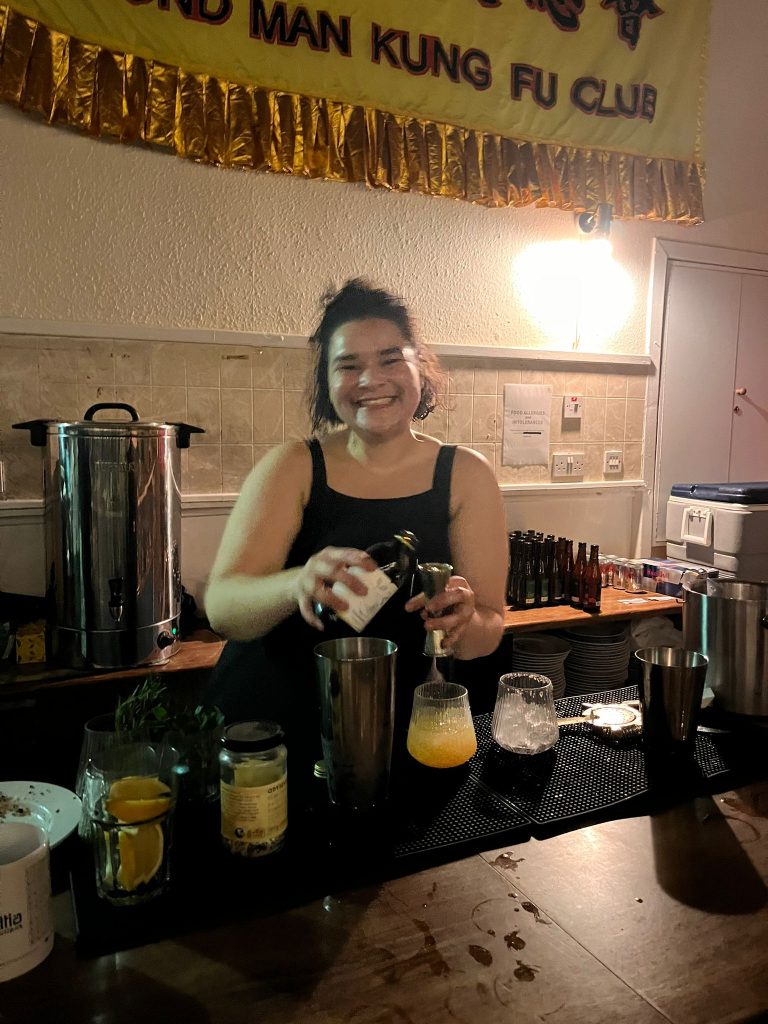
Along with Grant, I help run the bar at Good Clean Fun which feels like an extension of being in the groove with everyone. The party is a place to connect and dance free from alcohol and drugs. As I am working behind the bar, people often share why they have joined our dancefloor. We welcome people with a spectrum of life stories. Some people are in recovery, but I hear myriad motivations for joining us: mental health, medication use, family history of substance abuse, supporting a partner who is in recovery, training for an athletic event, and cancer scares.
It was only recently that I reflected and filtered these conversations through my professional lens. I am a post-doctoral researcher at CRUK Scotland Institute (CRUKSI) where I work on a team that studies proteins which decorate and bind RNA. An RNA’s lifecycle is complex. The proteins that bind them and the modifications that mark them can pace their dynamic dance. RNA dysregulation is characteristic of rapidly proliferating cancer.Cancers make proteins that allow their cells to grow, divide and invade the tissues around them. We can uncover novel ways to target cancers by studying how regulation of RNA controls cells’ behaviour.
While it is a great privilege to work on promising cancer therapeutic targets, potentially lifesaving treatment only comes into effect after a great deal of hardship for patients and their loved ones. Finding ways to reduce risk in the first place is key.
When I speak about GCF externally, people often voice scepticism towards the existence and value of a social space without alcohol. Spaces centred around alcohol have, for so long, been the hub of people’s social lives in the UK. People, understandably, do not want to let go of their opportunities to socialise and relax, which spaces serving alcohol often give us. However, I explain that the intention of GCF and events like it is to allow people to still connect in familiar ways. Alcohol-free spaces invite and empower people to make lifestyle interventions such as considering their consumption of a cancer-causing agent. These spaces help us build a future where cancer prevention is as central as the cures the CRUK community work tirelessly to deliver.